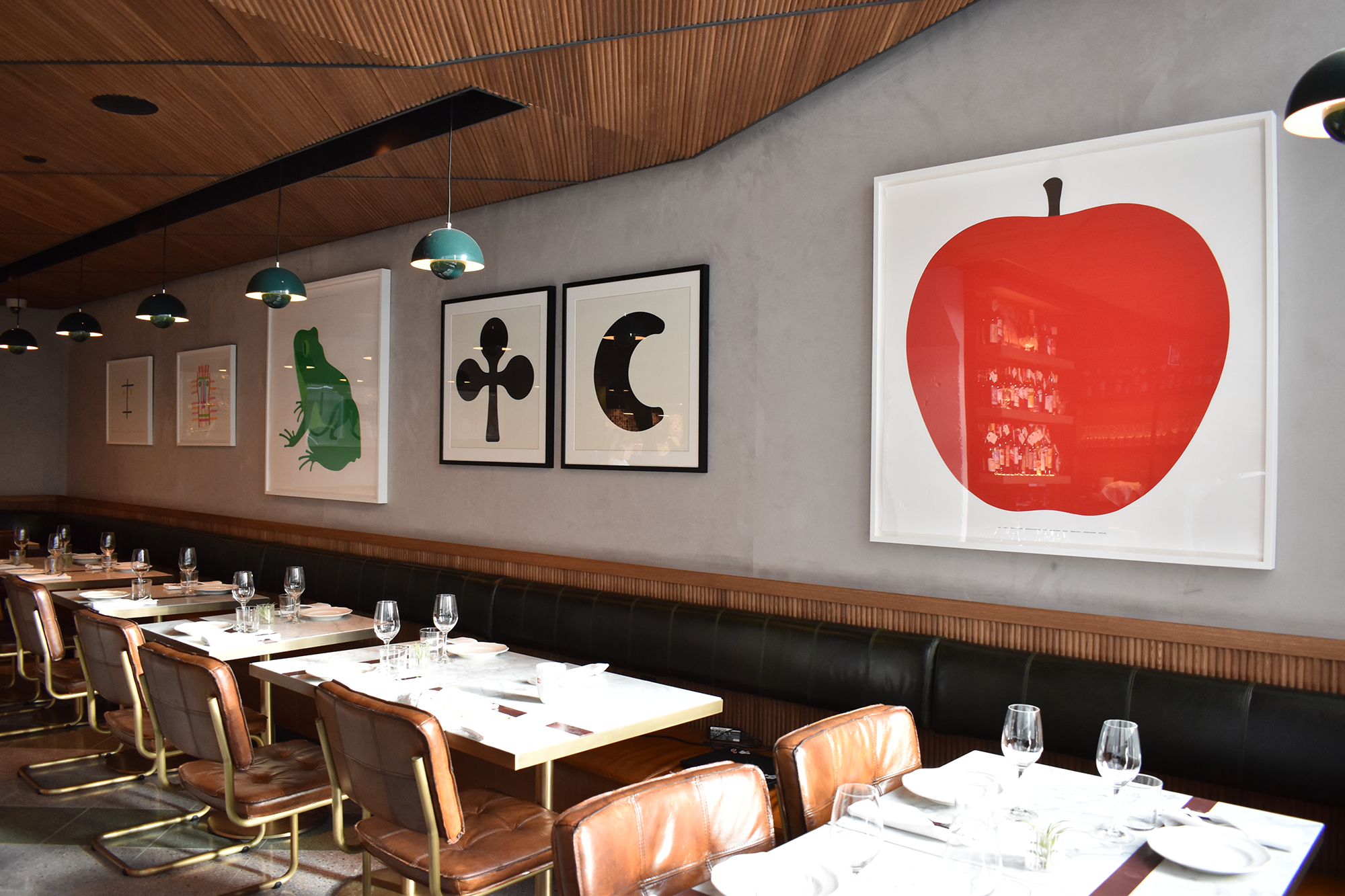
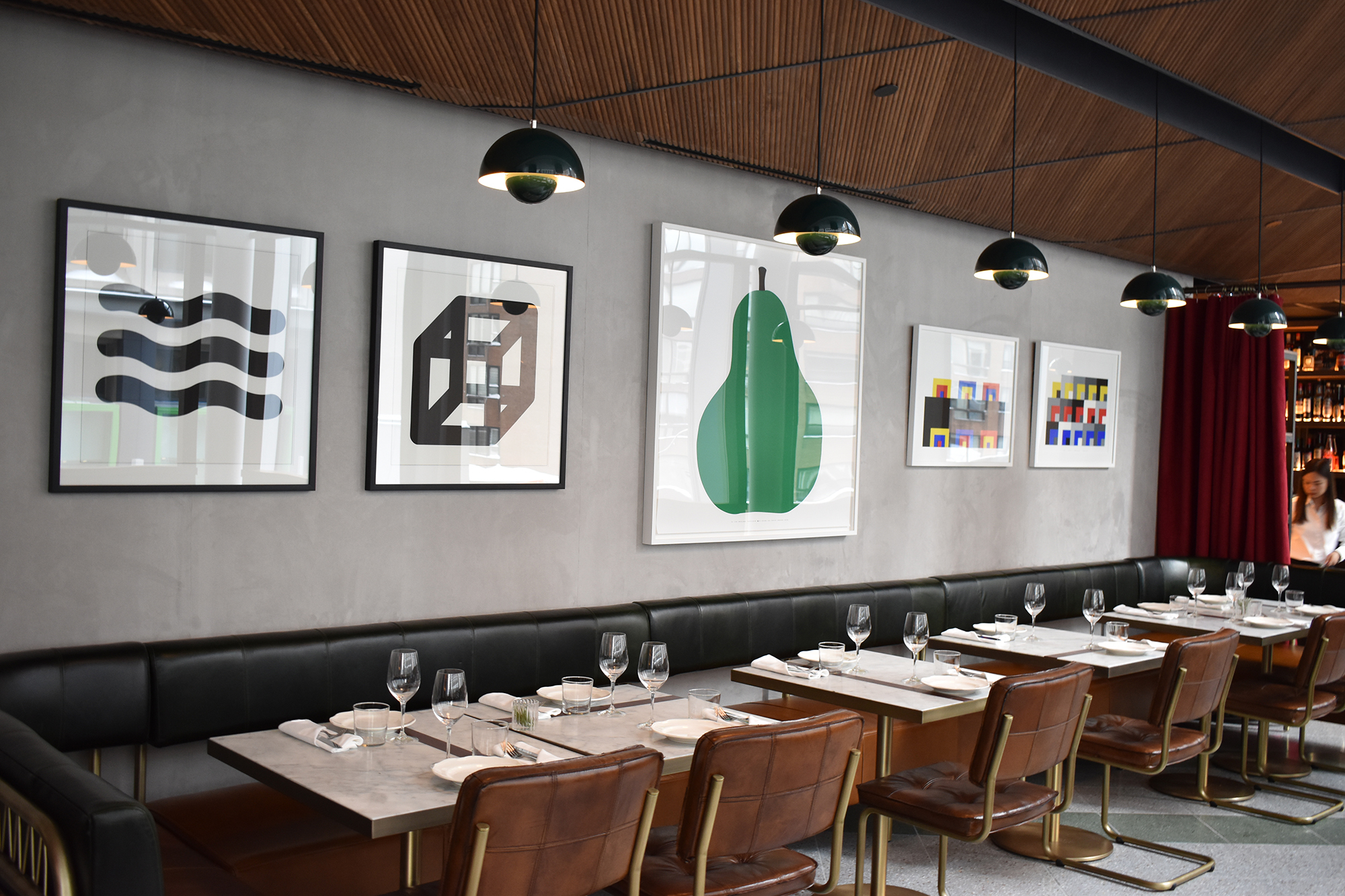
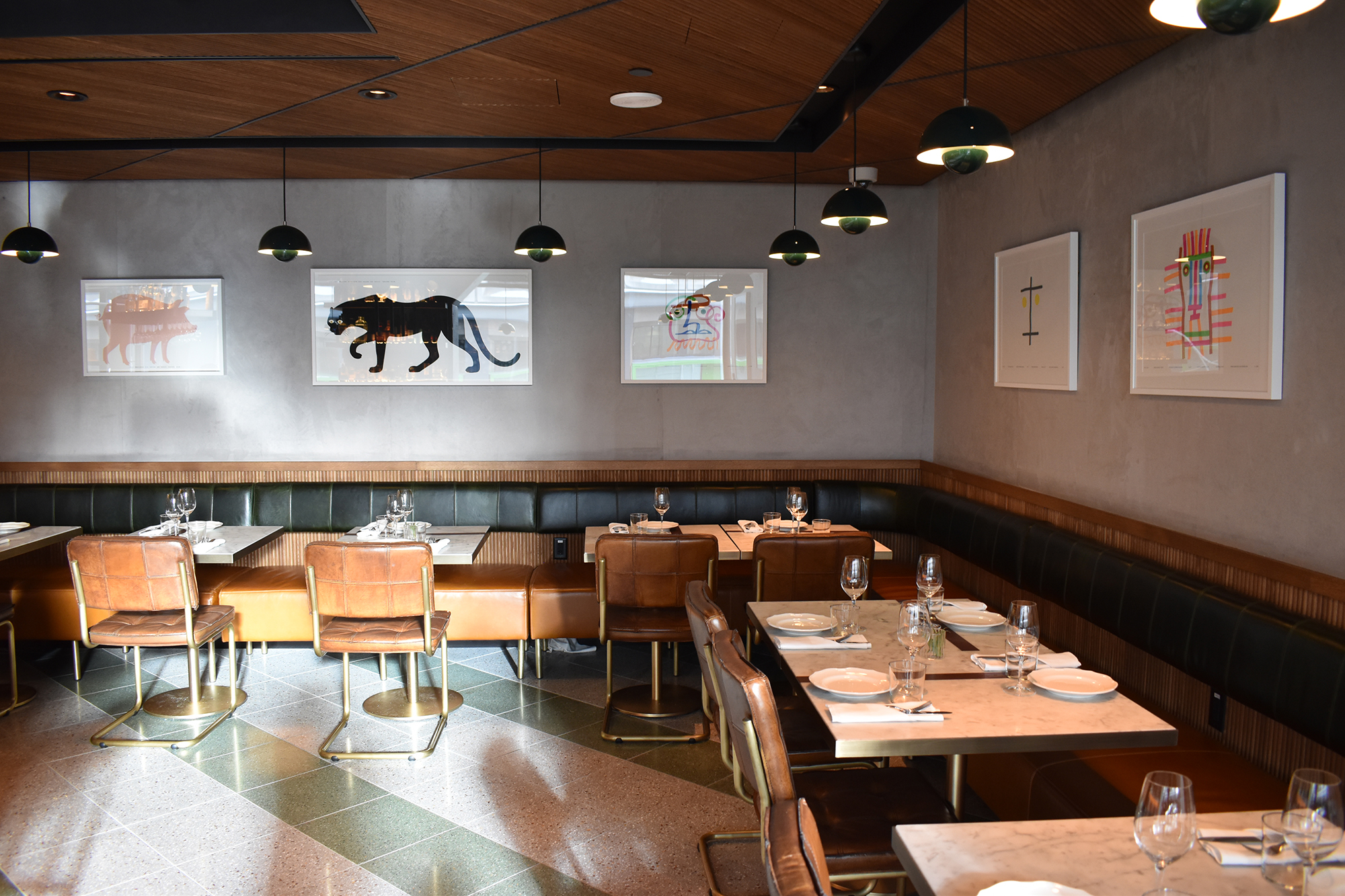
As Head of Creative & Storytelling at Eataly, I was involved at the beginning of conversations regarding Trattoria Milano, a new fine dining concept at the company’s first Canadian store in Toronto. But this was much more than a standard restaurant branding project. Inspired by Milan’s status as a capital of design and by the modern eclecticism of the city’s food scene, Trattoria Milano was conceived as a multi-sensory experience, that intended to meld a traditional Milanese menu with art and performance, in a single and unique salon space.
Branding
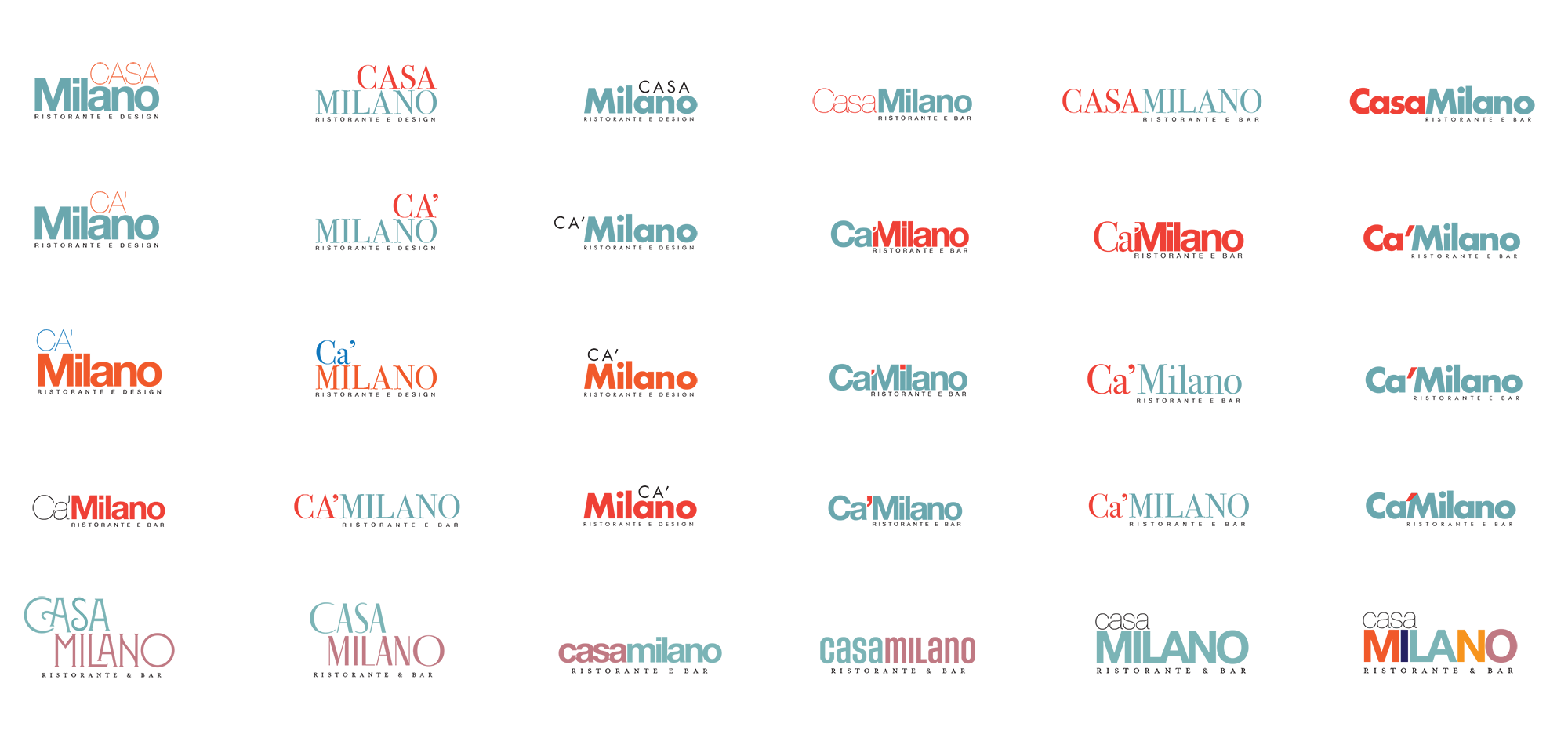
Unsurprisingly, given its ambitious scope, the project’s direction — and even its name — were the subject of much internal debate. What started out as “Trattoria Milano” became Casa Milano, which became the abbreviated Ca’ Milano before reverting to the more conventional name. Though I spent much time studying traditional Italian storefronts and restaurant façades, I was drawn to classic midcentury typefaces such as Bodoni, Futura, Helvetica — as still seen throughout in the unmistakeable work of graphic designers Massimo Vignelli and Bob Noorda.

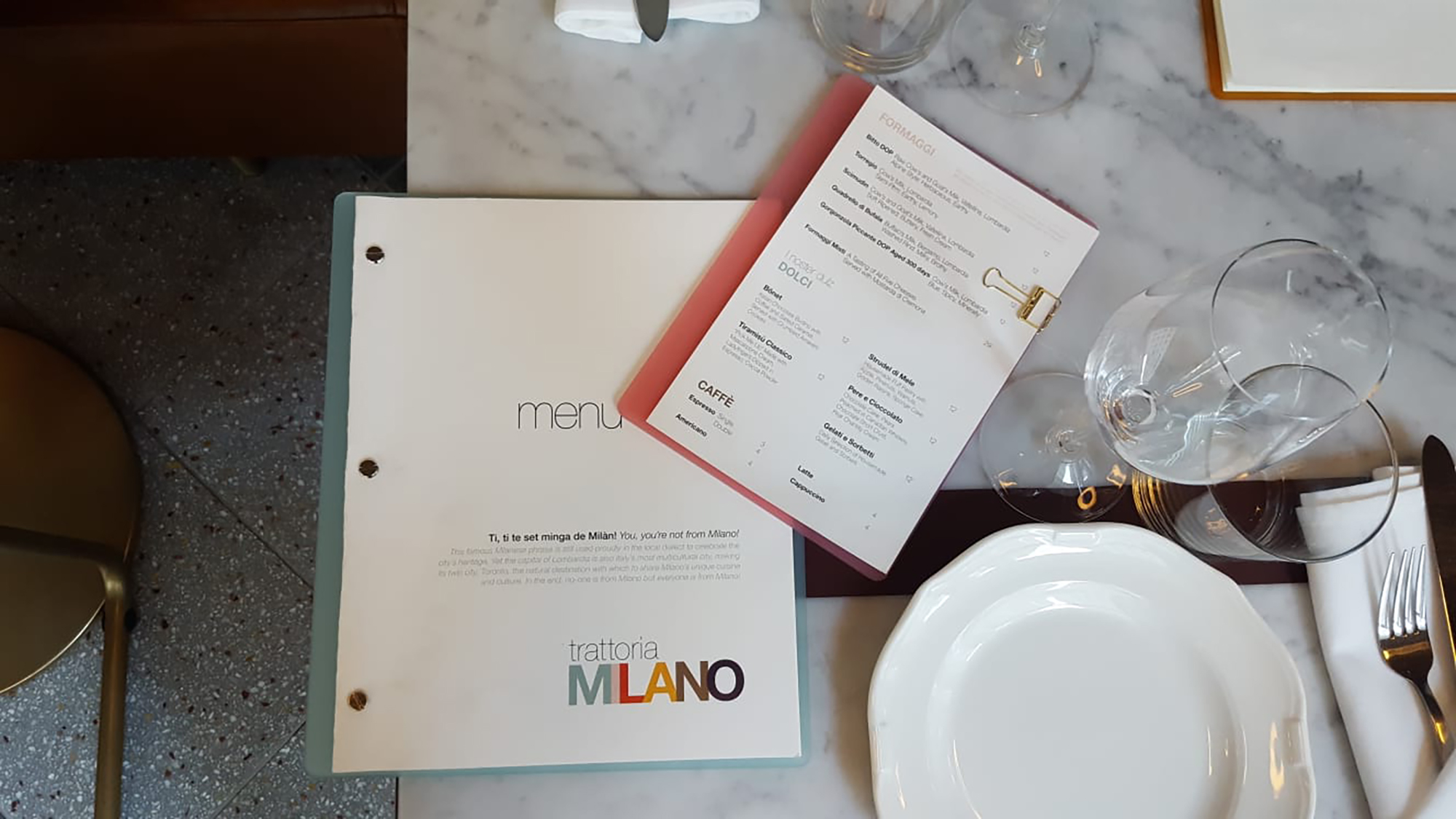
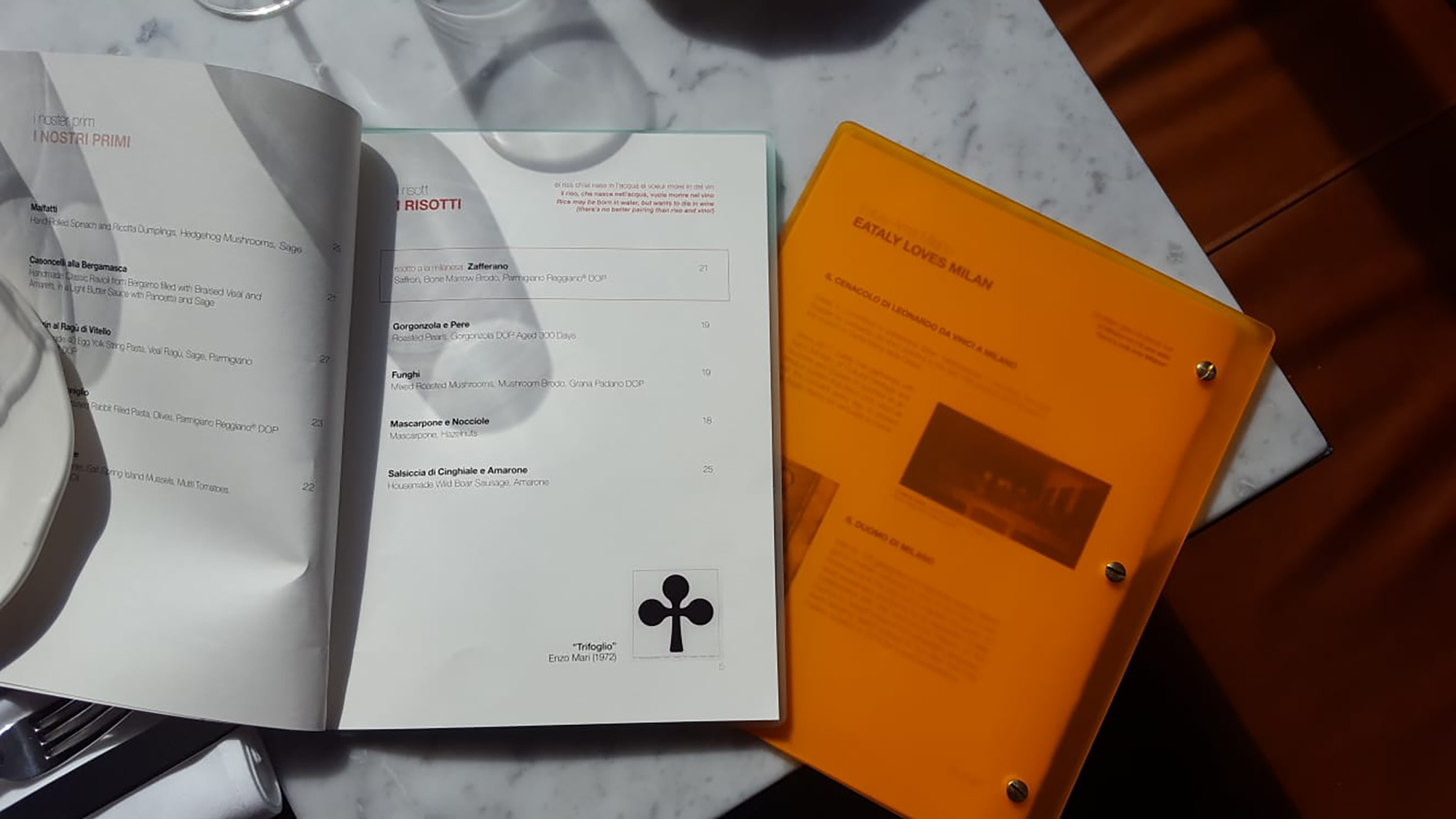
The restaurant’s menu showcased classic Milanese dishes — risotto, cotoletta and ossobuco — and included descriptions in three languages: English, Italian, and Milanese dialect.
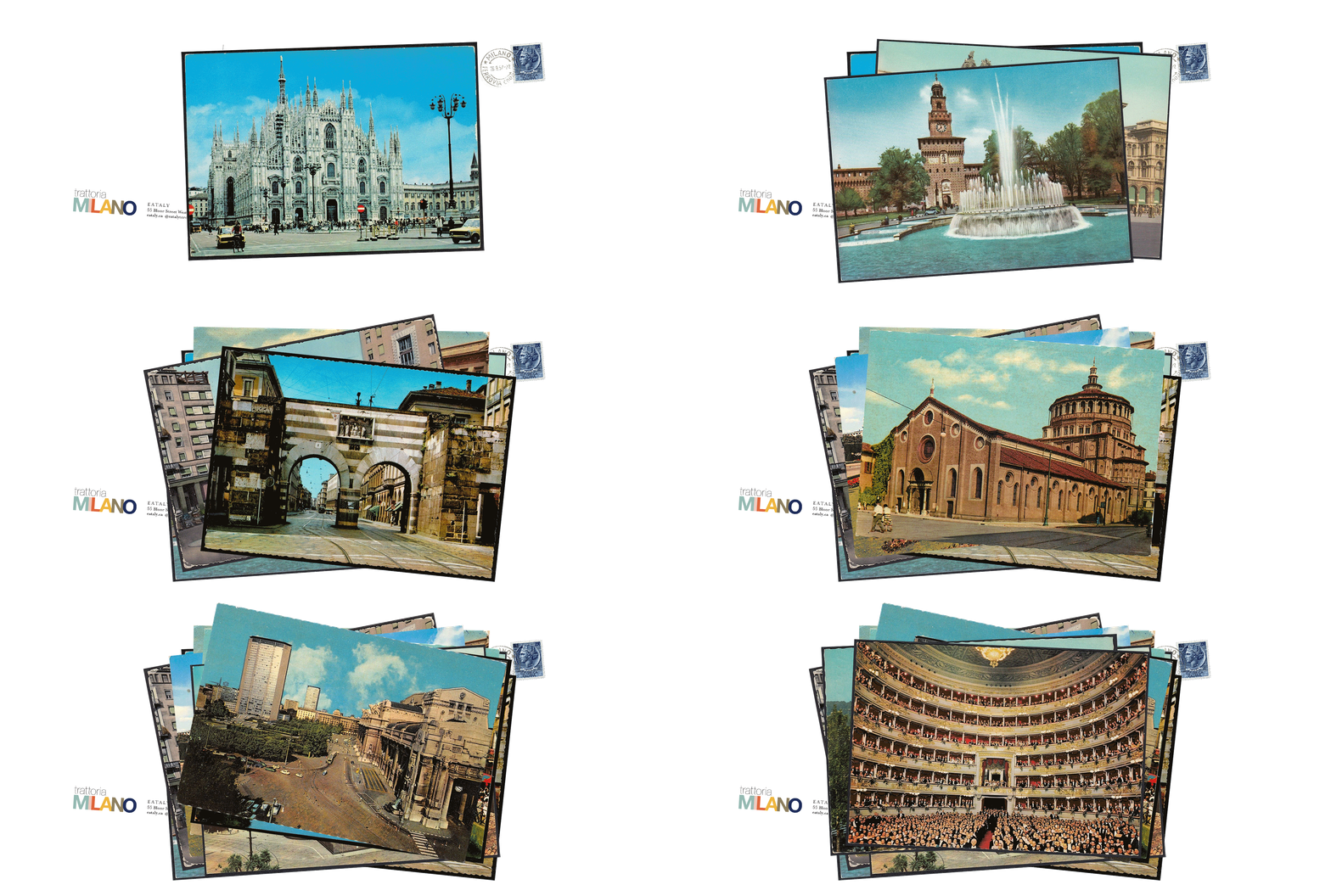
For the guest check presenters I created a series of postcards with historical photos of Milan’s landmarks, from La Scala to the Pirelli tower, and even the stadium at San Siro.
Décor
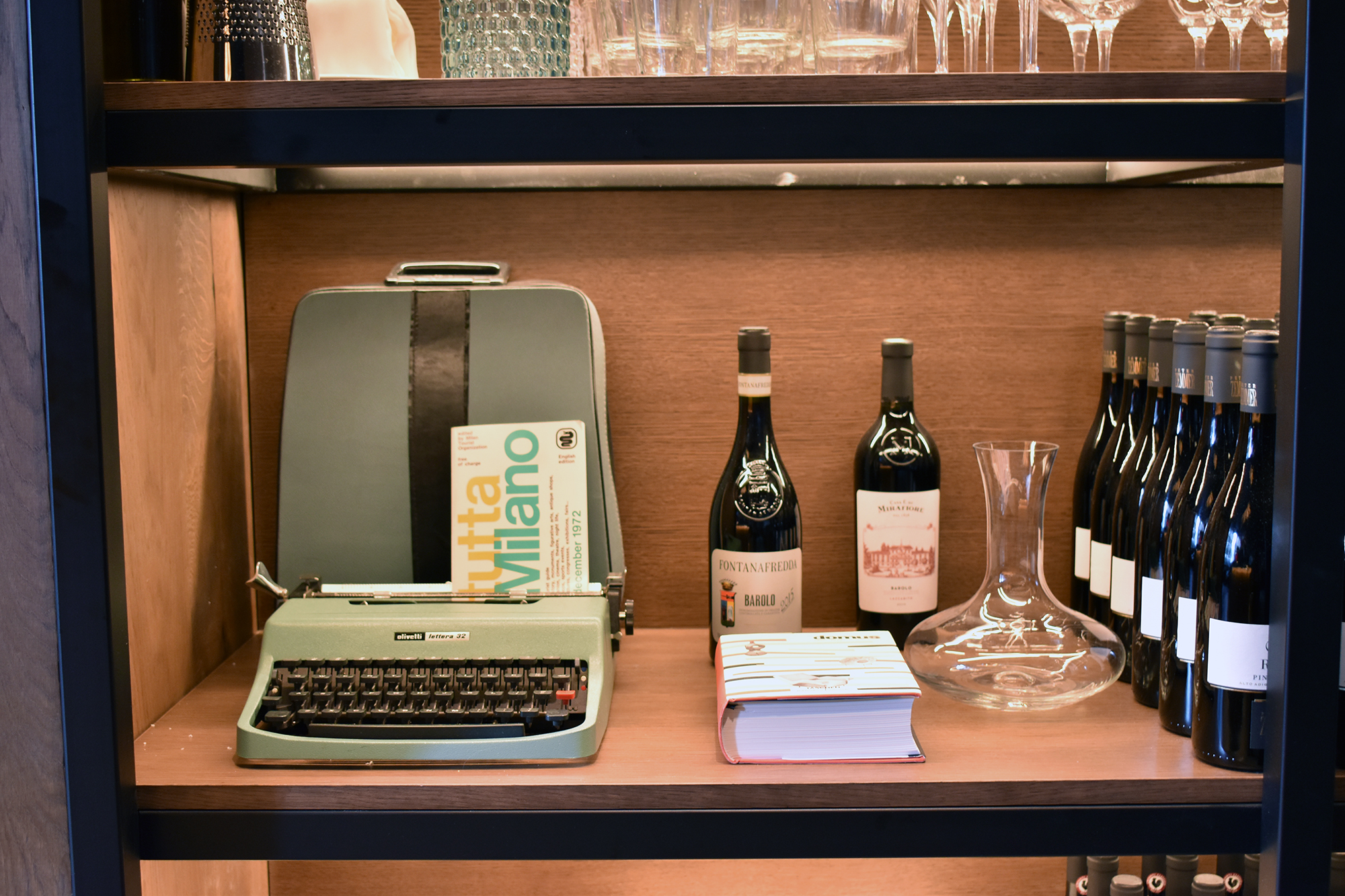
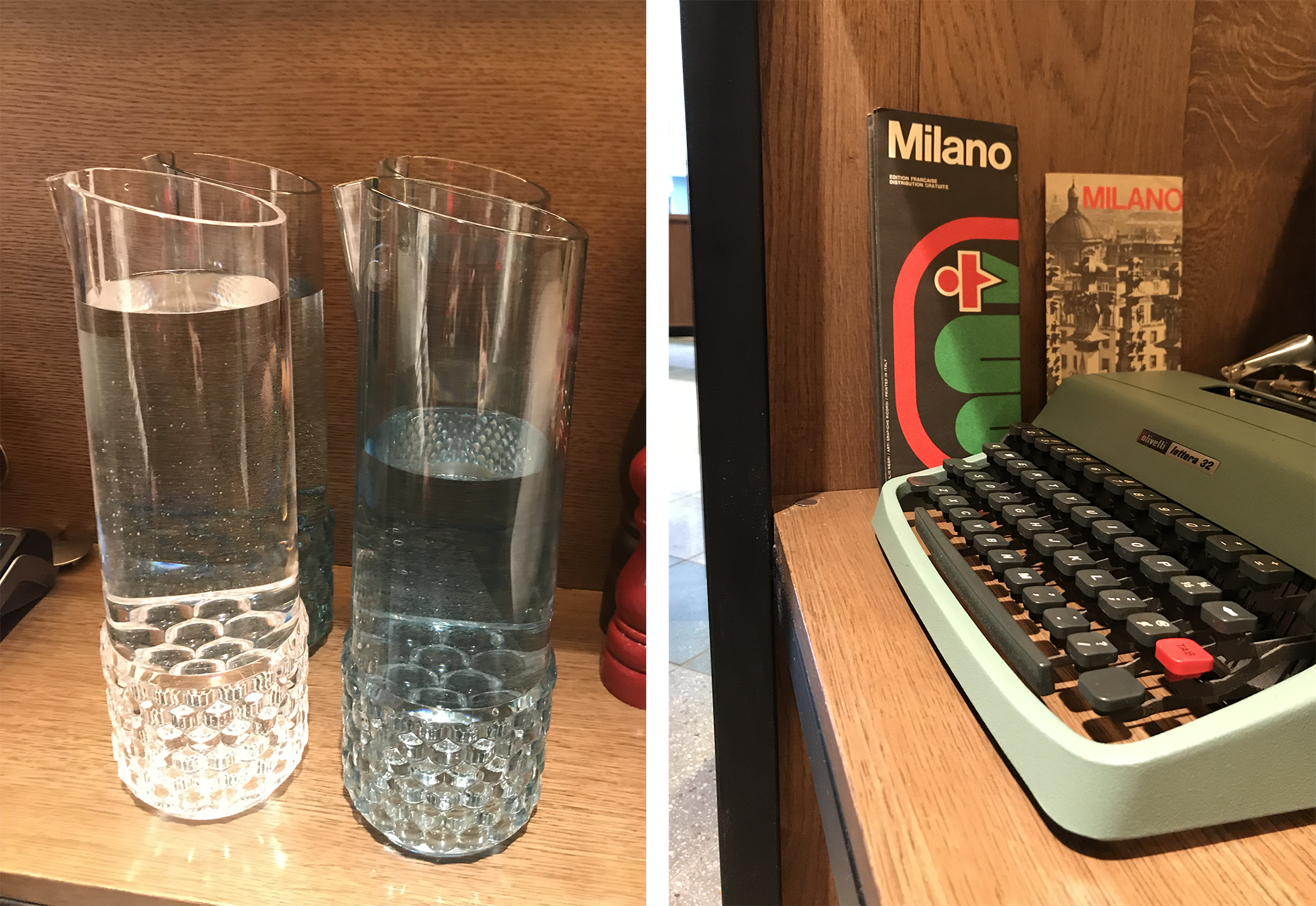
In addition to the branding, I was also responsible for shaping the restaurant’s decor. I dove headfirst into my research, drawing on my background in Italian postwar design and knowledge of Milanese cultural references to produce a detailed inspiration look-book, from which I began the task of procuring items from high-end design stores and, in the case of vintage ephemera, Italian eBay sellers and the deepest corners of the internet.
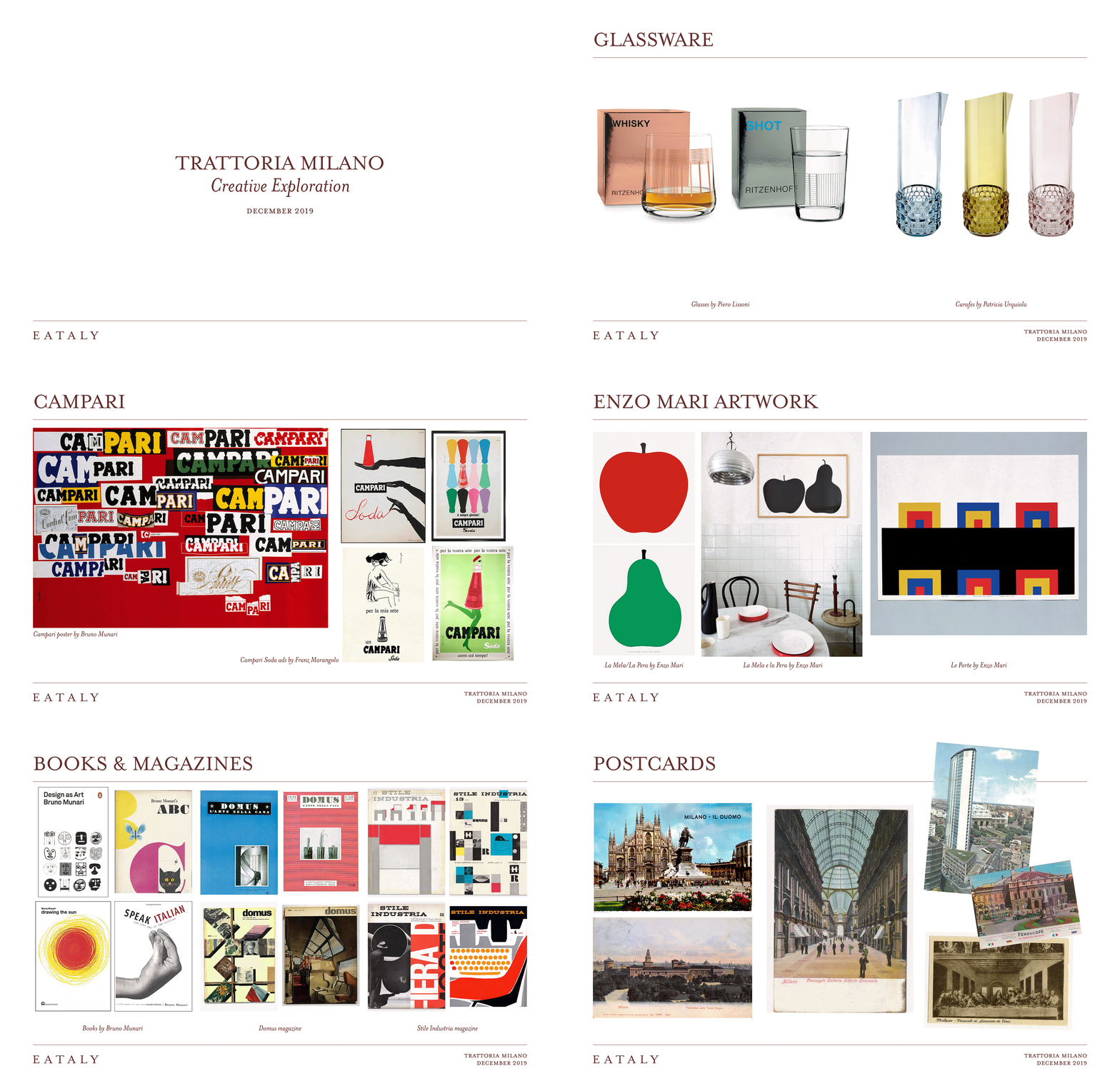
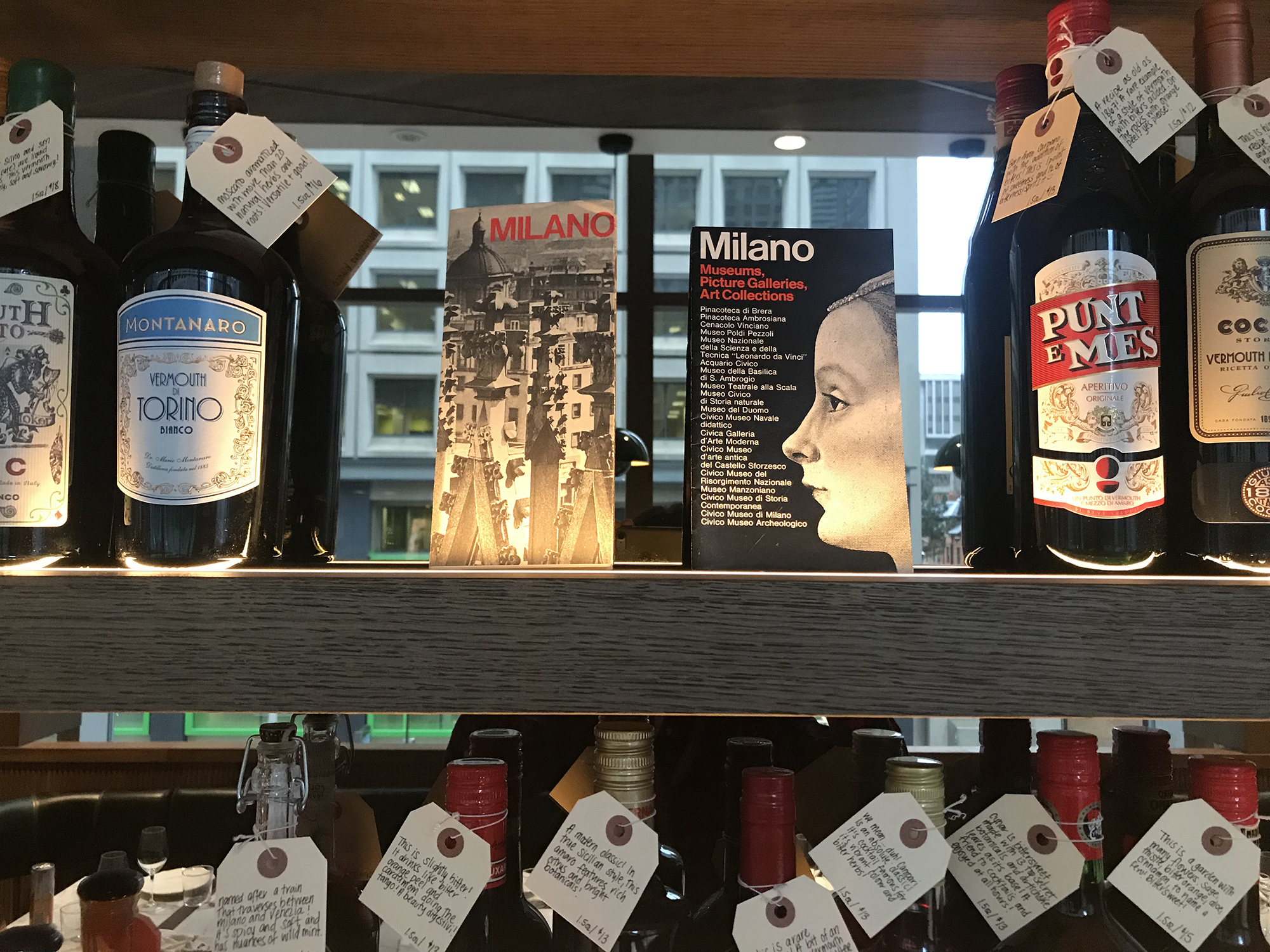
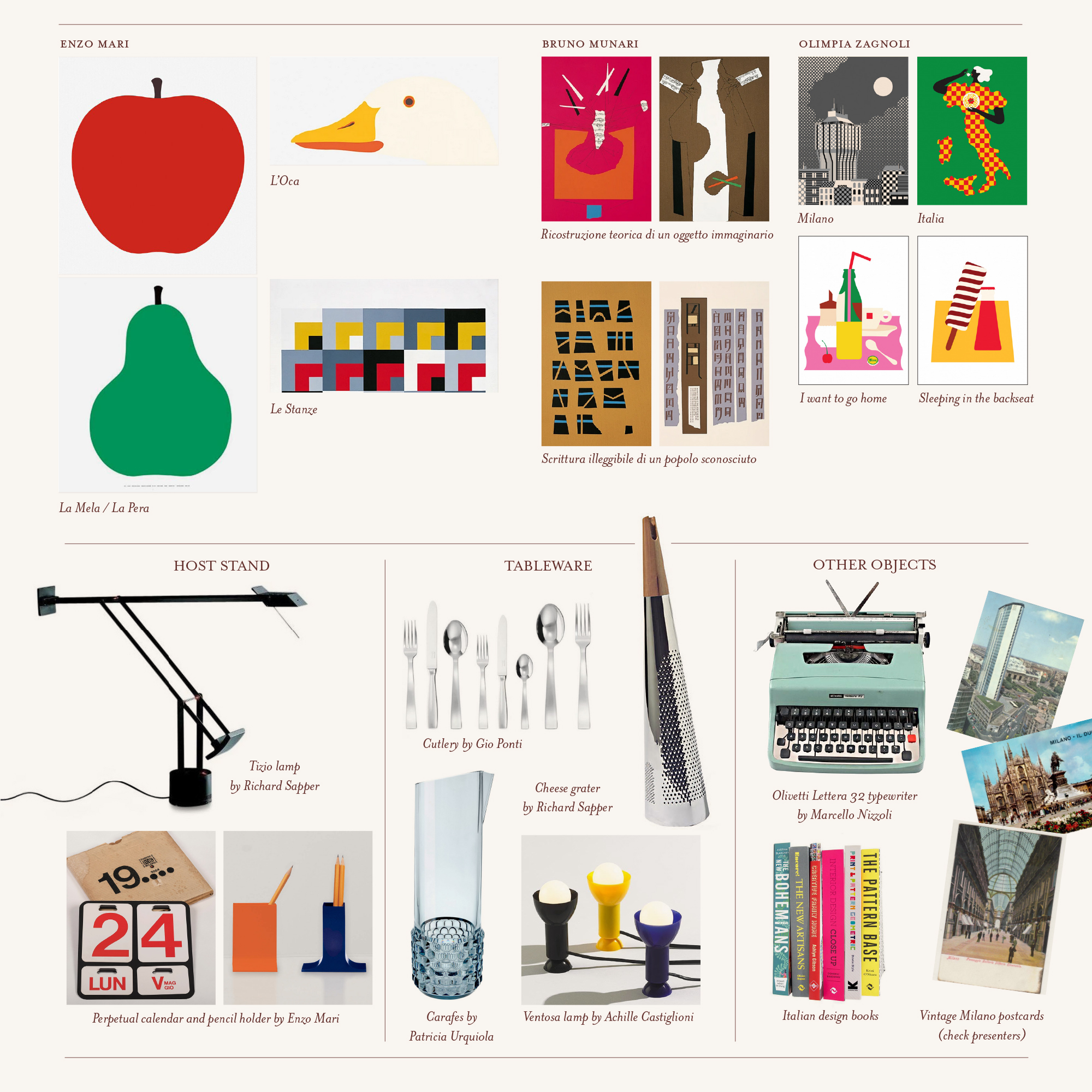
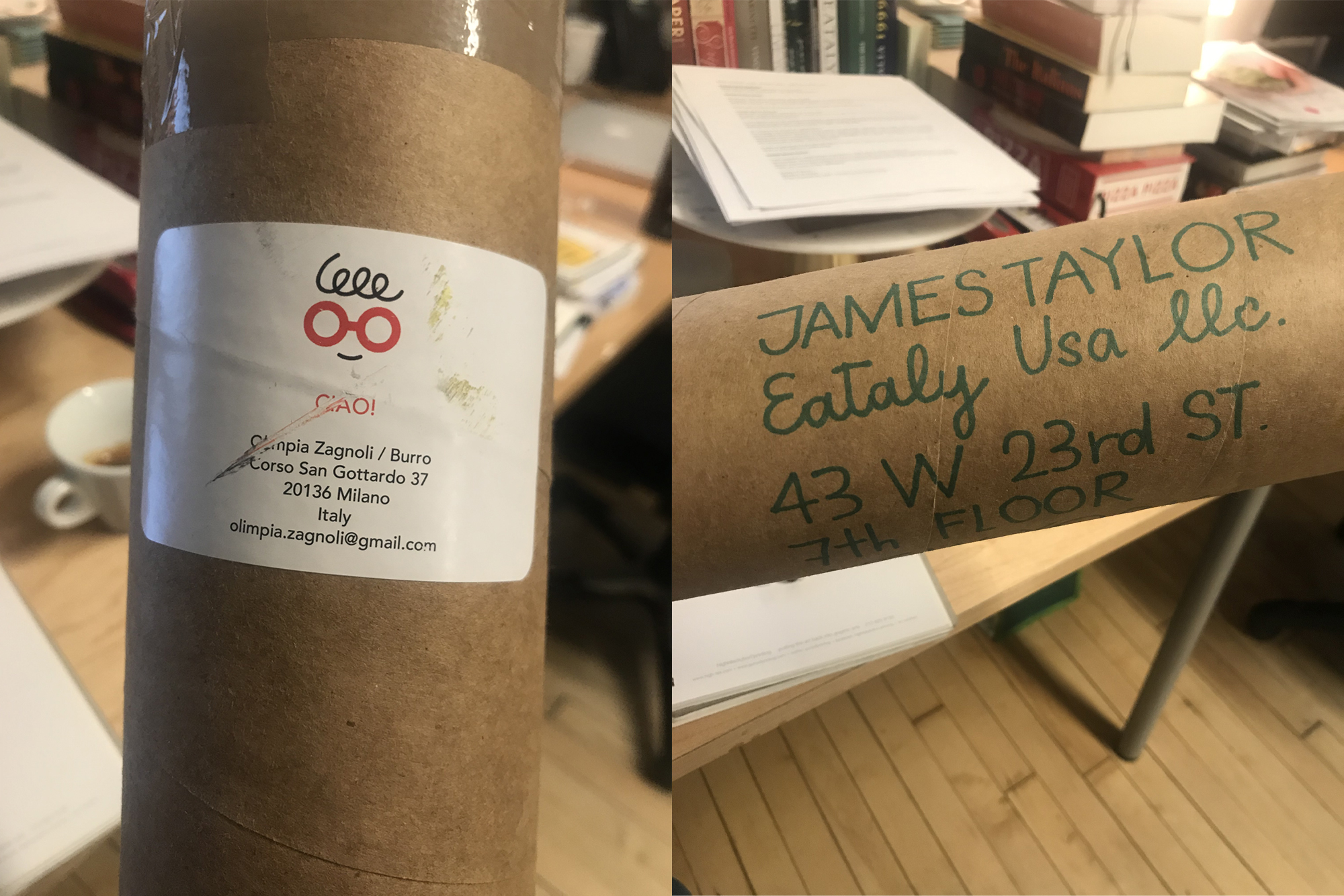
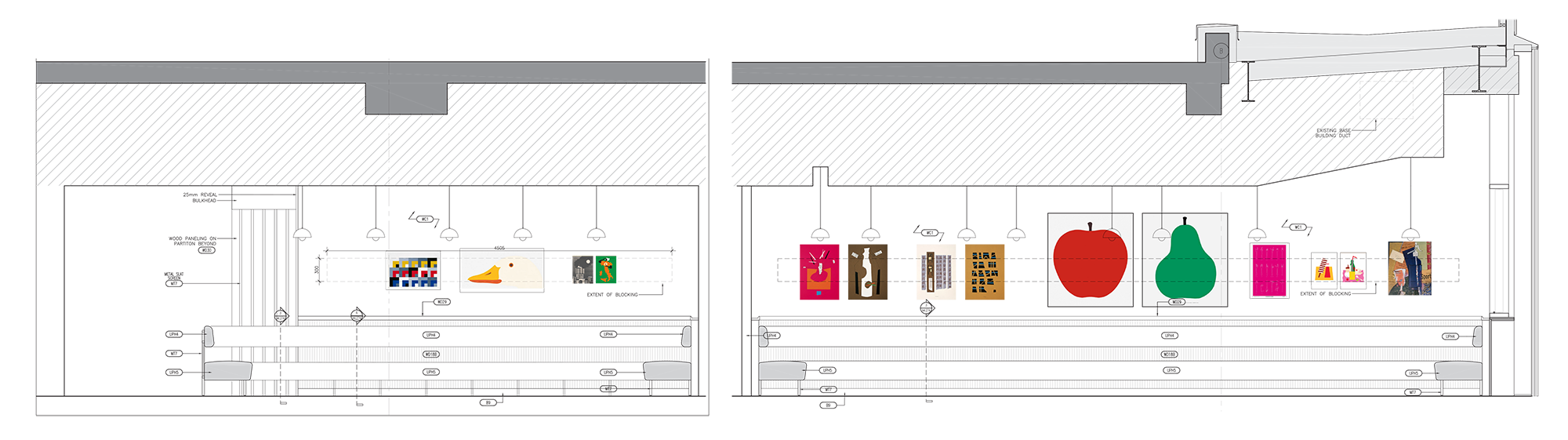
For the walls I curated a series of prints by Enzo Mari, Bruno Munari, Mimmo Paladino and Olimpia Zagnoli (whom I had worked with before and was kind enough to send her artwork directly to my office). I also obtained a variety of iconic pieces by celebrated Milanese designers — including Gio Ponti, Achille Castiglioni and Richard Sapper — but only on the condition that they would also provide a function within a working restaurant. The mid-century vibe was confirmed with used LPs, hefty volumes on design, old issues of Domus, and even vintage brochures from Milan’s tourism board. Naturally, the space was incomplete without an original Olivetti Lettera 32 typewriter.
Photos
I spent a few days in Toronto overseeing the framing and hanging of artwork and visual merchandising. Trattoria Milano opened to great success — both with the Toronto public and with internal leadership — to the extent that the concept was replicated as “Bar Milano” at Eataly’s flagship location in New York’s Flatiron district.